


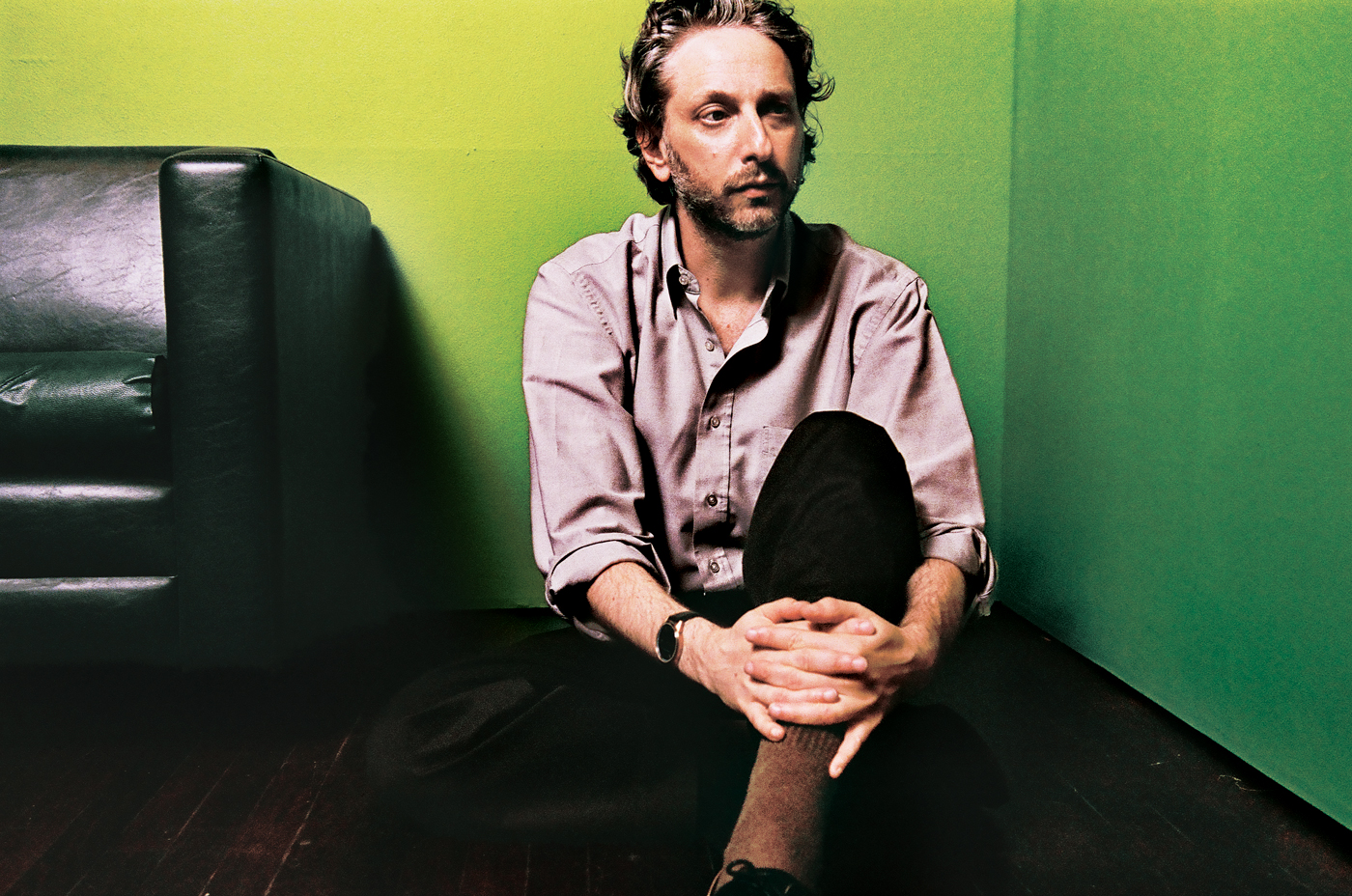
Photo credit: Aidan Zamiri
ONEOHTRIX POINT NEVER RELEASES NEW ALBUM TRANQUILIZER
+
DROPS “RODL GLIDE” VIDEO DIRECTED BY CORY ARCANGEL
WATCH THE VIDEO HERE
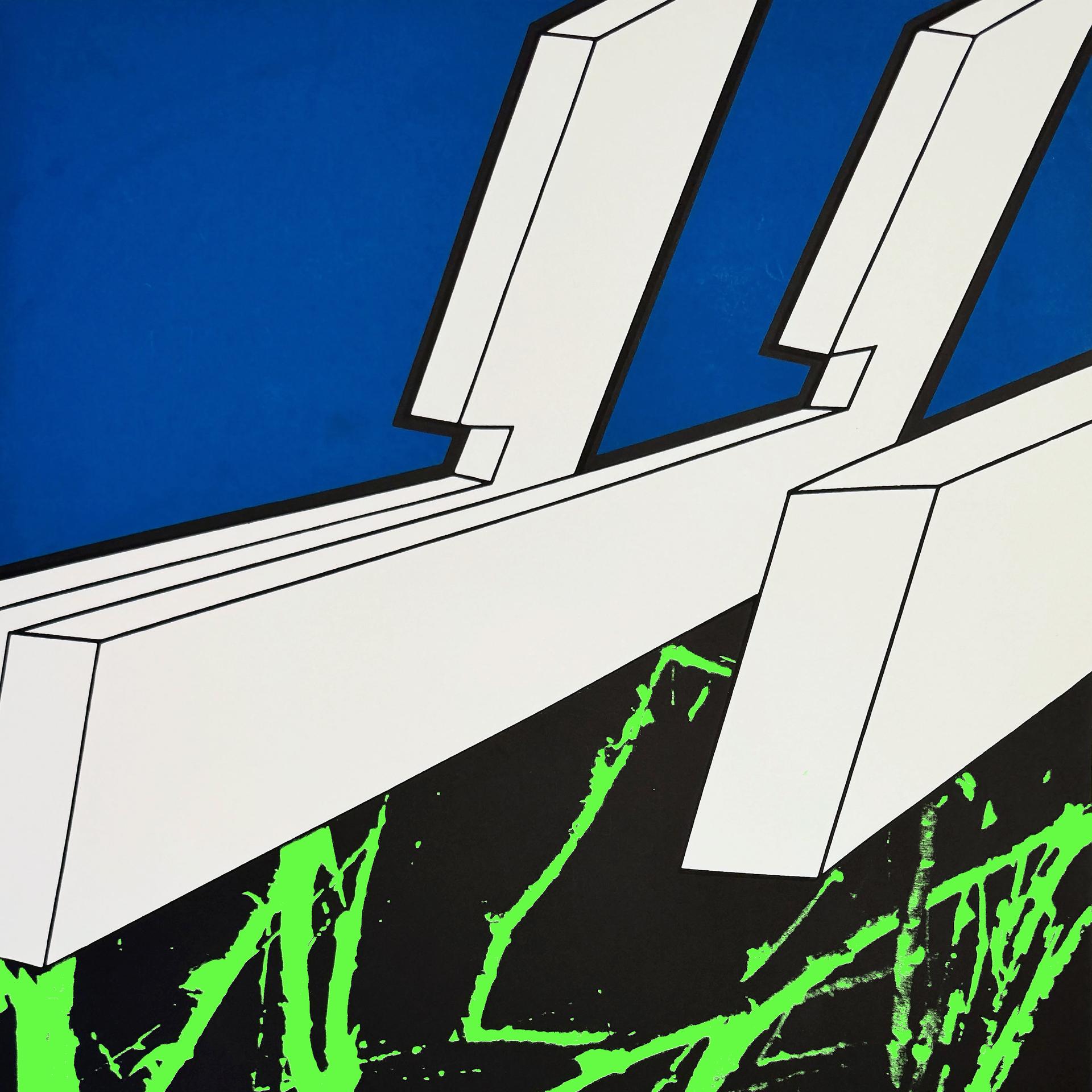
“Tranquilizer is the most immediately pleasurable Oneohtrix Point Never album in some time.” – Pitchfork “Reshaping the sonic grunt work of the past into something that speaks to the human soul in the present and the near future, at a time when it feels like we need it more than ever.” –Dazed “A refined return to his sample-based roots — vivid, imaginative, and quietly breathtaking.” – Wall Street Journal “One of the most adventurous musicians of his generation, whose synth dreams have reshaped electronic music.” – Numéro “It’s a magic trick he pulls off again on Tranquilizer: sifting through the graveyard of our computers’ dreaming and conjuring something enchanting.” – The Quietus “It’s his most sublime offering in years — possibly ever.” – Boomkat “Lopatin filters obsolete technology through contemporary tools, creating a record that reveals new sounds and textures with every listen.” – Exclaim! “The future of music is about to be redefined once again by OPN.” – Ele-King “The album is a demonstration of Lopatin’s mastery of structural tension – always in flux, never fully resolving” – Slant magazine [Friday 21st November, London] Oneohtrix Point Never’s new album Tranquilizer is out now on Warp Records, accompanied by the release of the “Rodl Glide” video directed by artist Cory Arcangel. “Rodl Glide” sits at the album’s most jittery and physical point, a track built from chopped riffs, unstable rhythms and the sense that the floor keeps shifting. Arcangel’s video follows the same logic: direct, digital, slightly abrasive, and rooted in the DIY language of early computer culture. His visual approach matches the track’s structure without over-explaining it, letting the raw materials speak for themselves. Tranquilizer grew out of Lopatin’s discovery that a huge archive of ‘90s sample CDs had briefly disappeared from the Internet Archive. The loss and rescue of that library became the foundation for the album’s sound. Working with these recovered samples, Lopatin pushed them through custom software and real-time manipulation to build a record that sits between calm and overload, memory and malfunction. The album avoids nostalgia and focuses instead on material: the often-overlooked craft behind commercial sound libraries, and the strange clarity that emerges when those sounds are taken out of context. Across fifteen tracks, Tranquilizer moves from ambient drift to fractured percussion to tight, detailed micro-textures. It’s one of Lopatin’s most direct process-driven projects in years. The cover art, a painting by Indiana-based artist Abner Hershberger, reflects the same approach. What looks abstract at first contains traces of agricultural landscapes and physical mark-making. It aligns with the album’s focus on recovered material and the tension between digital and tactile work. With Tranquilizer, Lopatin adds another chapter to a career that has quietly (and sometimes not so quietly) reshaped contemporary music influencing vaporwave, reinventing digital minimalism, producing for The Weeknd, Charli XCX, Anohni, Iggy Pop, and David Byrne, and scoring era-defining films for the Safdie brothers, Panos Cosmatos, and Sofia Coppola.Tranquilizer and the “Rodl Glide” video are both out now. |
 |
LIVE DATES Wed, April 1, 2026 – Osaka, Japan – Gorilla Hall Thurs, April 2, 2026 – Tokyo, Japan – Zepp DiverCityhttps://www.instagram.com/eccopnhttps://pointnever.com/https://warp.net/artists/oneohtrix-point-never |


